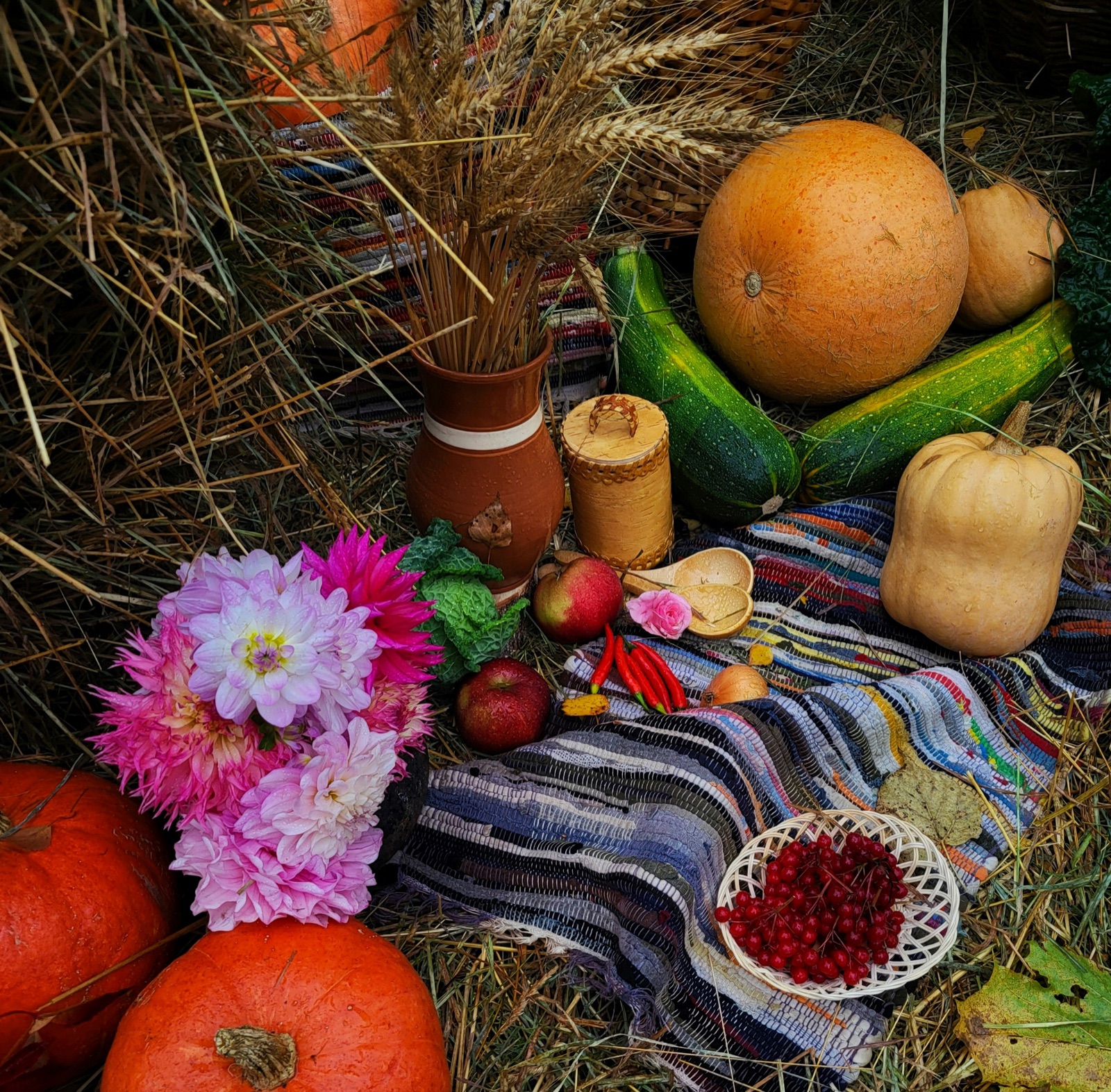
A few weeks ago, I was invited to be a chef for a family. I found myself planning my work days around farmers markets. I felt a strong urge to do my own shopping because the secret to my dishes lies in exceptional produce — the freshest, locally sourced, seasonal ingredients grown with respect for the earth’s ecosystem. This is not just about taste; it is about nutritional and energetic value, the life force of the food. Improving the family’s nutrition was part of the brief, and sourcing the very best made that possible.
Why does this matter? Because we truly are what we eat. During a recent talk at Hampstead Parochial Church of England School, I emphasised to parents that the quality of everything that crosses our lips matters immensely. Fresh whole foods are not the entire story, but they are the foundation of a healthy being. It was heartwarming to see the interest this sparked, and I am thrilled to support the school community in learning more about healthy eating. The last decade has seen so many old myths busted, and research continues to validate nutritional science as an effective approach to prevent and resolve health issues. Nutrition and lifestyle interventions can manage pain, support mental health, balance hormones, promote longevity, and much more. Simply put, there are few ailments that nutrition cannot meaningfully improve. And the reverse is also true — a poor diet is linked to many illnesses. For me, investing in the best food I can afford for my family is how I prioritise their health. We really have to put our money where our mouth is.
Last week, I was deeply moved by a conversation with a woman who spent three months learning about natural agriculture with Shumei, a spiritual community from Japan. Their philosophy is that agriculture should require minimal human intervention to produce the most nourishing food. They do not use pesticides, animal manure, or even crop rotation. Yet their crops survive and thrive even when neighbouring conventional crops fail. Their secret? They speak and pray to the plants, the soil and the insects. This respect for the earth and its natural cycles is fundamental to the outstanding quality of their crops. It is achieved by co-creating WITH nature — not by killing with chemicals. This left me curious about the potential of our food systems if such practices were embraced widely and everyone could be nourished by such vibrant food.
Reflecting on these experiences, the theme of reverence and gratitude emerges. We are part of an ecosystem that sustains us beautifully when we observe, practise patience, and work harmoniously with nature. Every time I thank my food, I recognise that I would not be here without the food itself, nor without the many people who have brought it to me over the years. We should not take this for granted. As we receive from nature, we must give back, ensuring her vitality for future generations. Such a practice naturally leads to moderation, counteracting overeating and reducing food waste. When I bless my food and water, I am also reminded of Masaru Emoto’s research showing that thoughts and intentions can influence the molecular structure of water - water in your food. It feels both profound and practical: our consciousness can touch the very essence of what sustains us.
From a physiological point of view, practising gratitude has been linked to higher heart rate variability, possibly through vagus nerve engagement, promoting relaxation and emotional regulation. This is especially beneficial in our modern lives, particularly before a meal, because a stressed meal is neither well digested nor absorbed. Taking a few breaths and feeling thankful before tucking in is one more reason to practise this simple ritual.
How fitting then that we are entering the season of Thanksgiving. As I reflect on the profound connection between our lives and the food we consume, let us bring gratitude (a form of love and prayer!) for our food, water, and the earth that sustains us. At least we will digest better. At best, it can transform not only how we eat, but also how we live.
So, love and pray to your food first. Then have a feast!